We use cookies to personalize your experience. By using our website you agree to our terms and conditions and Privacy Policy.
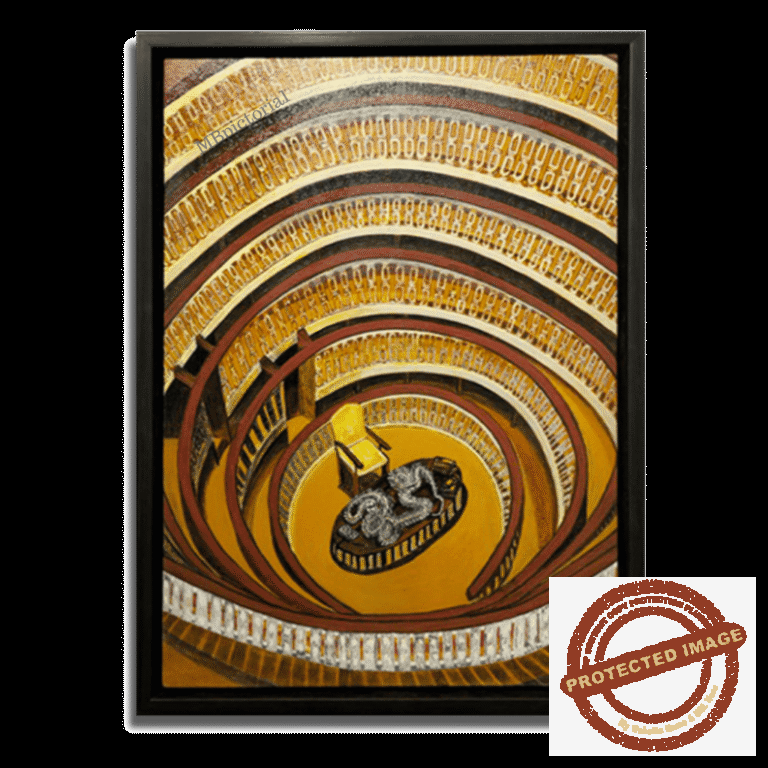
Inspired by the ethereal atmosphere of the Angkor complex and the evocative power of “The Phantom of the Opera,” this piece explores the subtle blending of French colonial influence with the ancient wonders of Cambodia. The vast, tree-lined avenues connecting Angkor’s temples conjure mental melodies, reminiscent of an opera’s grand score.
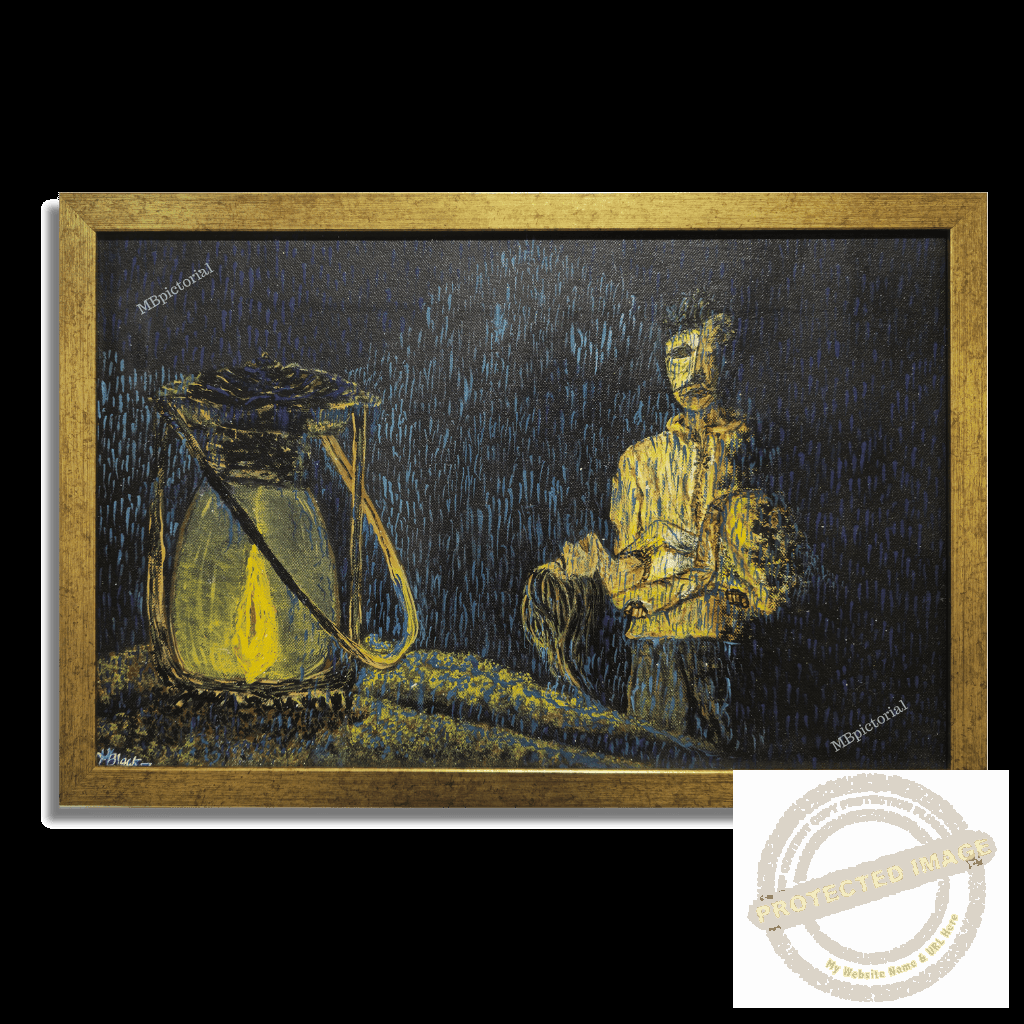
The artwork’s essence lies in the sensory experience of a Cambodian night during the monsoon. Much like the unseen Phantom, the rain is felt even when not directly experienced, its presence revealed through sound. When a small lamp cuts through the darkness, a vivid scene materializes, highlighting the interplay between what is hidden and what is revealed. The Phantom cannot be seen in daylight; his shadow, however, grows with the rising chorus of nocturnal insects and frogs, painting a mental image of him moving with Christine Daae, helpless in his grasp
“Exploring the sprawling, ancient heart of Angkor, I couldn’t shake the feeling of being in a grand, natural opera. The vastness, the silent majesty of the temples, and the overwhelming lushness of the jungle all whispered of unseen dramas. Then, a thought struck me: the Phantom. Not literally, but the essence of an unseen force, a powerful presence that shapes the atmosphere.
The subtle traces of French history in Cambodia, like delicate musical notes, resonated with the idea of ‘The Phantom of the Opera.’ I wanted to capture the feeling of a rain-soaked Cambodian night—where the presence of the rain is known by its sound, and the darkness holds mysteries. This painting is about that gradual reveal, the way a faint light can bring a ‘phantom’ into being, much like the imagination brings the iconic figures of the opera to life against an ancient, mystical backdrop.”


We use cookies to personalize your experience. By using our website you agree to our terms and conditions and Privacy Policy.